Choosing between recording a group together and building a song through overdubs affects more than studio logistics. It shapes the feel, sound, and way musicians respond to one another. Ensemble tracking captures players performing at the same time, while overdubbing records parts separately and layers them together. Neither method is automatically better. Consider the music’s character, the players’ strengths, and the production details you need before deciding how to record.
What Ensemble Tracking Captures
With ensemble tracking, musicians perform together while the engineer records each instrument to its own track. Players can react to timing, dynamics, and phrasing in real time, which often brings a natural sense of interaction to jazz, rhythm sections, and other music shaped by group chemistry. Separate tracks still allow some mixing adjustments, but the musicians share the same performance moment.
This approach suits players who are comfortable performing together and can deliver strong takes as a group. It also makes sense when the arrangement depends on spontaneous exchanges or a unified groove. The tradeoff is that instruments can bleed into one another through microphones, so the engineer needs a thoughtful room setup, microphone placement, and volume balance.
What Overdubbing Makes Possible
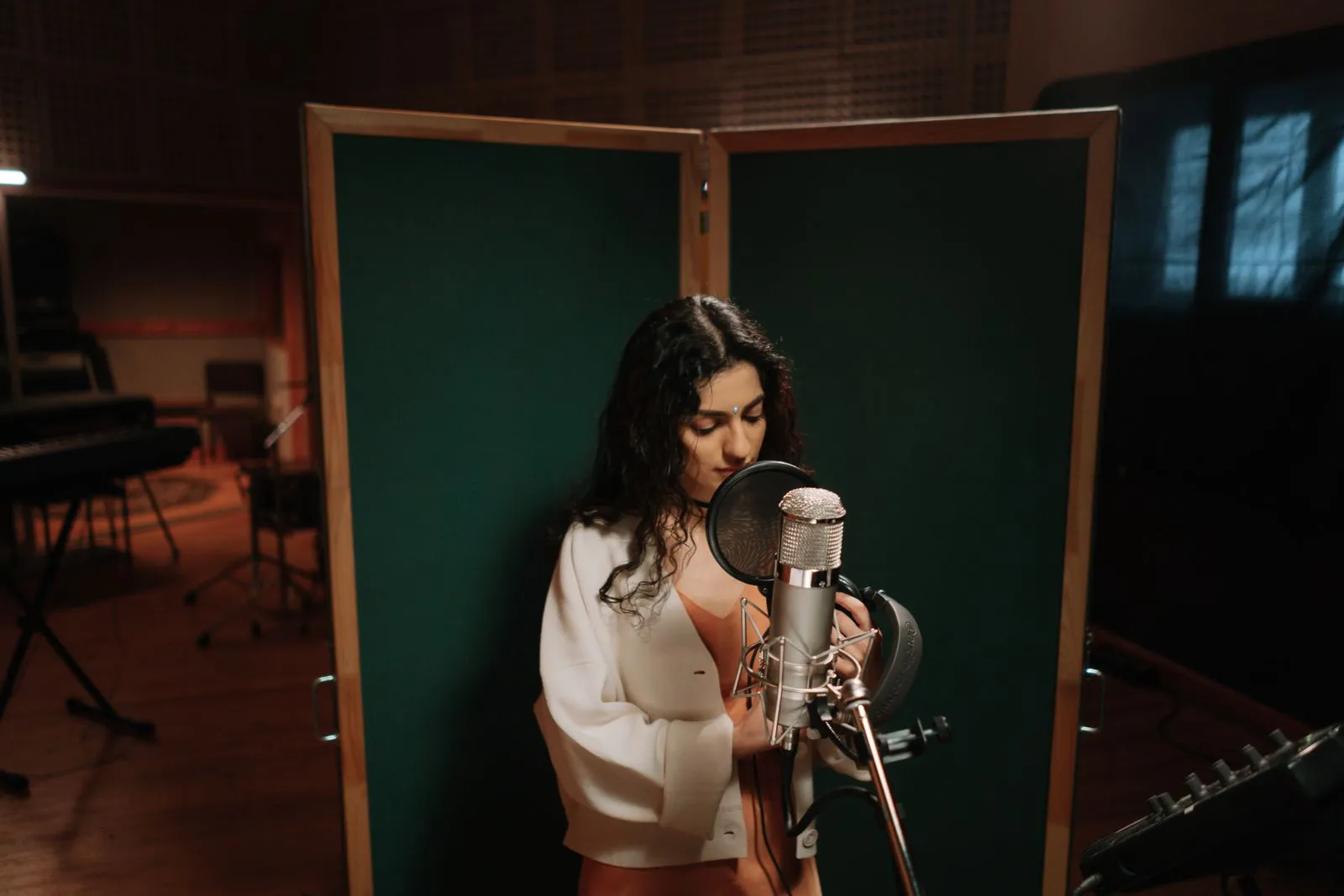
Overdubbing records parts one at a time, or in smaller groups, and combines them later. This gives each musician focused time for their performance and lets the engineer adjust individual parts more independently. It can help when schedules do not align, a song needs precise layering, or a player wants to refine a part without repeating the whole arrangement.
Separate recording can also make detailed edits easier, but it may reduce the spontaneous communication that happens when musicians play together. Players need to follow a reliable reference, such as a click track or guide performance, and listen closely to the parts already recorded. A clear arrangement and consistent tempo help the finished layers feel connected.
Match the Method to the Music
Start with the quality that matters most in the finished recording. If the song relies on conversational solos, flexible timing, or a shared pocket, try tracking the core ensemble together. If it calls for intricate layers, tightly controlled parts, or distinct sounds that need room in the mix, overdubbing may offer more control. Many projects benefit from a combination rather than an all-or-nothing choice.
Think about the musicians, too. A confident group that rehearses well may thrive in the live room. Players who need time to shape individual parts may do better with overdubs. Consider practical needs such as available session time, instrument isolation, and how much editing the arrangement may require. Discuss these factors with your engineer before booking so the session plan supports the performance.
Plan a Flexible Session
You can preserve group interaction while keeping options open. Record the rhythm section together, then overdub vocals, horns, or other featured parts. Another option is to track the full band live while recording isolated signals where possible, giving the mix more flexibility without asking everyone to perform separately. The best setup depends on the room, instruments, and desired sound.
Before the session, bring a settled arrangement, confirm the song’s structure, and identify any sections that need special attention. Decide which performances should feel spontaneous and which need close detail. If you are unsure, record a short test passage using the proposed setup and listen together. That quick check can reveal whether the approach captures the feel you want.
Choose the recording method that serves the performance, not the one that seems most convenient on paper. Ensemble tracking favors interaction; overdubbing favors control and flexibility, and a hybrid session can offer both. Share your goals and session constraints with Blue Note Room to discuss an approach that fits your music.